
Exploring Coastal Paths and Marshes by Foot

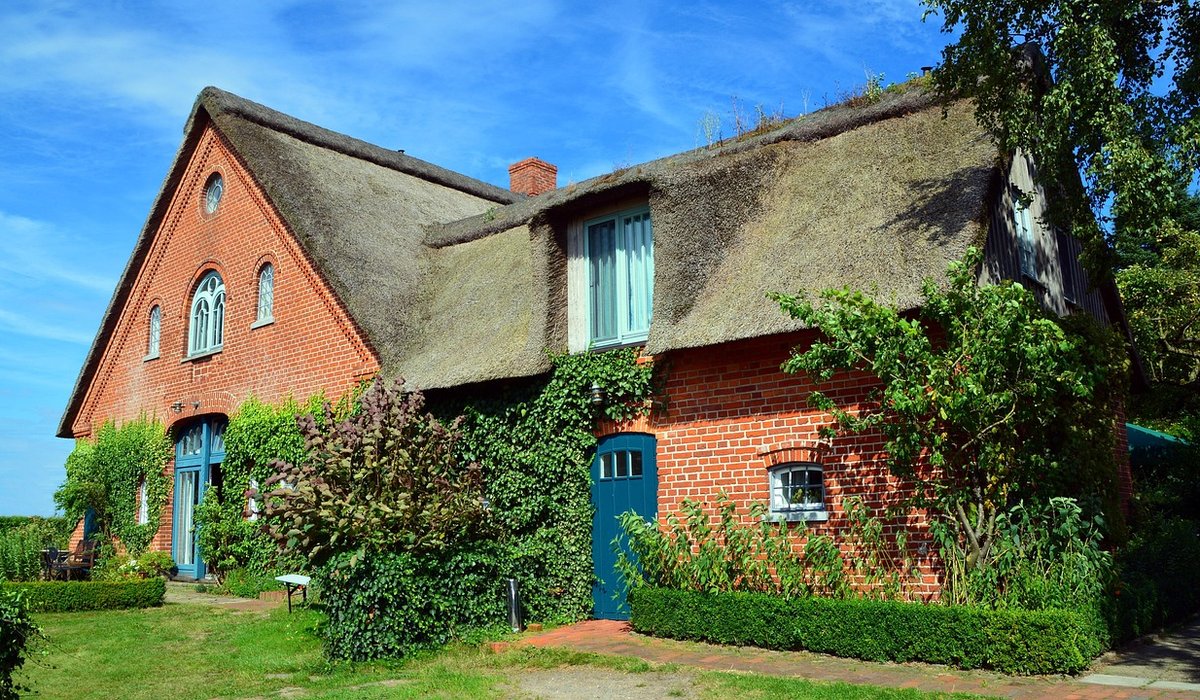
There is a particular kind of walking that only works on the Suffolk coast. It is not the striding, summit-bagging sort. It is slower than that, dictated by the tide, the state of the mud and the sudden urge to stand still for ten minutes because a curlew has started calling somewhere out on the far side of the estuary. Come here with a rough plan and a pair of binoculars, and the day will arrange itself around you.
Where the paths actually go
The Suffolk coast is a low, drowned landscape. Rivers run almost parallel to the sea for miles before finding a way out, which means there is far more water edge here than the map at first suggests. The old sea walls, built to claim grazing marsh from the estuaries, are now the walking routes — grassy embankments that run dead straight for a mile or more, with saltmarsh and mudflats on one side and freshwater dykes on the other.
Several waymarked trails thread through this. The most useful for a short break is the stretch between Aldeburgh and Snape, following the Alde through the reeds, and the parallel routes around Iken and Orford, where the river widens into something that feels almost like a fjord. Further north, between Dunwich, Walberswick and Southwold, the paths cross heath, reedbed and old grazing marsh in quick succession. Look for the waymarkers on gates and posts, and take an OS map as well — some crossings are only passable at low tide, and a few become genuinely dangerous when the water is up.
Walking with the tide, not against it
This is the single most important piece of planning you will do. Estuary walking in Suffolk is a tidal business, and the difference between a lovely morning and a soaked, anxious afternoon is often a matter of twenty minutes.
- Check the tide table before you set out, and check it for the specific stretch you are walking — times differ noticeably between the Alde, the Blyth and the Deben.
- Walk out on a falling tide and back on the rise where a route crosses a tidal causeway or a muddy inlet. That way the water is still retreating while you make your outward leg.
- Give yourself a generous margin. Mudflats and creeks fill faster than they look, and the water comes in sideways across the marsh rather than as a single advancing line.
- Avoid the spring tides if your route touches the lower marshes at all. Neap tides are far more forgiving.
If you are unsure, ask at a village shop or a café near the water. Local knowledge about which gates flood and which paths stay dry is worth more than any app.
Reedbeds, mudflats and the birds that use them
The reedbeds are the heart of it. In winter they stand bleached and rattling; by late spring they are a dense green wall taller than a person, full of warblers and the occasional boom of a bittern. Along the edges, where the reeds meet the mud, is where the real activity happens.
You will see wading birds working the exposed flats as the tide drops. Redshank, dunlin, curlew, godwit and oystercatcher are all common, and the further you get from a car park, the more relaxed the birds become about your presence. A few practical habits help:
- Walk quietly and stop often. Birds respond to steady movement far better than to sudden ones.
- Use a hide or a sea wall as cover rather than walking out onto the mud itself, which disturbs feeding grounds and is often unsafe.
- Keep dogs close on leads around the reedbed edges between autumn and early spring, when overwintering flocks are resting.
- Learn two or three calls. Curlew and redshank are easy starting points, and once you can hear them you will notice far more.
That enormous sky
People talk about the flatness of East Anglia as if it were a drawback. It is not. It is the reason the light here is so extraordinary. With no hills to interrupt it, the sky occupies most of the view, and it changes constantly — pewter and low cloud one hour, a rinsed-out blue the next, and in the evening a long, slow wash of amber that seems to take forever to fade.
The tide does something similar to the water. At low tide you get acres of grey-brown mud and shining channels; at high tide the whole thing becomes a wide silver sheet with the reedbeds floating on it. It is worth timing a walk so that you see the change. Sit on a sea wall with a flask and watch the same view turn into a completely different one.
What to wear and carry
Nothing here is technical, but a few things genuinely matter.
- Waterproof boots with grip. Even in dry weather the sea wall paths hold mud, and the marsh crossings can be slippery.
- A windproof layer. There is very little shelter on an embankment, and the breeze off the estuary is colder than the temperature suggests.
- Binoculars — 8x42 is a sensible all-round choice for this kind of walking.
- A flask and something to eat. Pubs and cafés are lovely but often a mile or two from where you will actually want to stop.
- A paper map in a case, plus a charged phone for the tide table.
The reward at the end
These walks tend to finish in a village, and that is part of the pleasure. A pint of something local, a bowl of soup, boots off by the door, the smell of woodsmoke and damp wool. Then the drive back along lanes with the estuary still glinting on one side and the reedbeds going dark on the other, the car full of the particular quiet that comes after a day spent outdoors in wide, flat, tidal country.
That is cosy cottage living at its most honest: not the cushions and the log burner alone, but the coming back to them, salt on your jacket and a head full of sky.

Joeby Ragpa
This template is so awesome. I didn’t expect so many features inside. E-commerce pages are very useful, you can launch your online store in few seconds. I will rate 5 stars.
ReplyAlexander Samokhin
This template is so awesome. I didn’t expect so many features inside. E-commerce pages are very useful, you can launch your online store in few seconds. I will rate 5 stars.
ReplyChris Root
This template is so awesome. I didn’t expect so many features inside. E-commerce pages are very useful, you can launch your online store in few seconds. I will rate 5 stars.
Reply