
Planning a Pub Walk Through the Suffolk Countryside

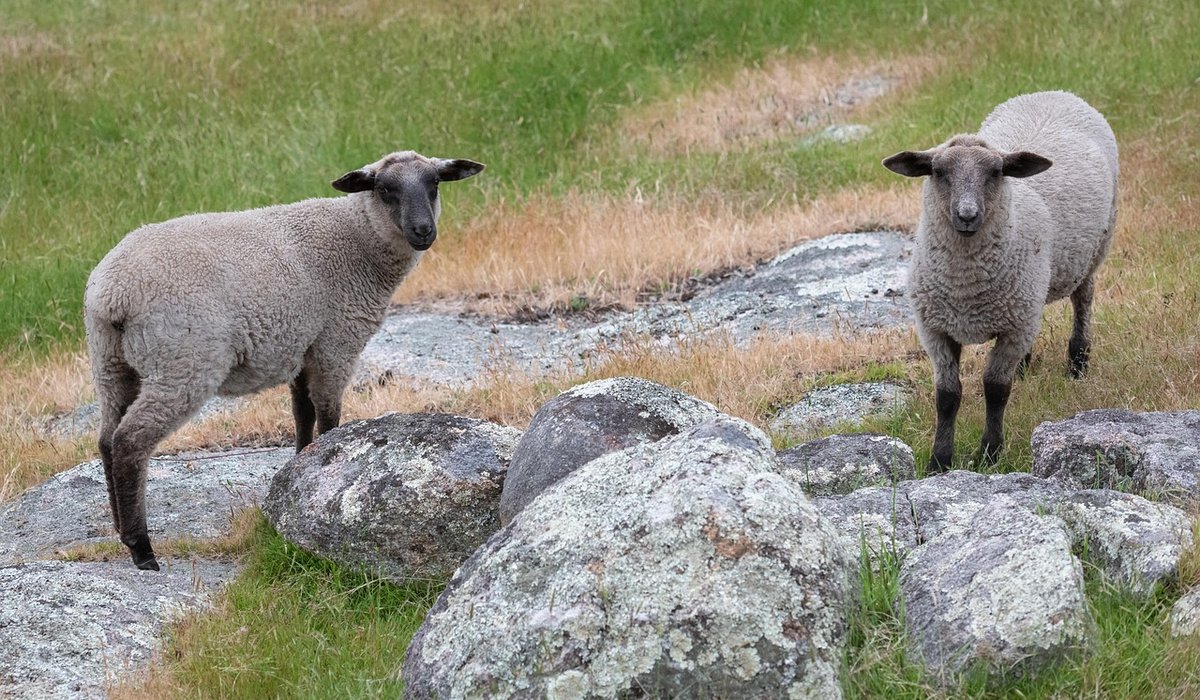
Suffolk is made for this sort of day out: a tangle of green lanes and footpaths, a church tower marking the next village, and a pub with the fire already lit somewhere in the middle of it all. The secret is planning the walk around the inn rather than hoping it will be open when you arrive damp, hungry and slightly lost. Get that order of things right and a pub walk becomes the most civilised way to spend a Saturday in the countryside.
Start With the Pub, Not the Path
Choose your destination inn first, then build a loop around it. That way you know exactly what you are walking towards, and you can check its hours before you commit to a route. A comfortable three to five miles is plenty for a leisurely day; it leaves time for a slow lunch, a detour to a church, and a bit of standing about admiring the view.
When you ring the pub, ask three questions: are you open on the day I'm planning, are you serving food at the time I'll arrive, and are dogs welcome in the bar or garden? Many village pubs in Suffolk have limited winter hours, close on Mondays or Tuesdays, or stop serving between two and six. Knowing that in advance saves a long, grumbling walk back to the car.
Reading the Map Before You Set Off
An Ordnance Survey Explorer map is still the gold standard for footpath planning, and the green dashed lines are your rights of way. Learn the difference between a footpath, a bridleway and a byway before you go — it matters if you are walking with a dog or a pushchair, and it matters more if you meet a tractor.
- Check for obstacles marked on the map: fords, footbridges, stepping stones, and the odd stretch of path that runs through a working farmyard.
- Allow two miles an hour in winter, not three. Suffolk clay is heavy, and a ploughed field edge can double your time.
- Look for landmarks you can actually see — a flint church tower, a water tower, a distinctive line of poplars — and use them as checkpoints.
- Take a paper copy as well as a phone. Signal is patchy in the Stour and Blyth valleys, and a dead battery at dusk is no fun at all.
Checking Times, Kitchens and Bookings
Weekends fill up quickly, especially in the pretty villages, and a table for four at one o'clock on a sunny Sunday is worth reserving days ahead. Mention the dog, mention any dietary needs, and mention roughly when you expect to arrive. If you are a large group, say so — small kitchens plan their roasts around known numbers.
It also helps to know what else is open. A village shop for a cold drink, a church left open for visitors, a public toilet near the green: these small details turn a decent walk into an easy one. If the pub is fully booked, consider a picnic on the green and a drink afterwards instead — many inns are happy with that arrangement if you ask first.
What to Put in Your Day Pack
- Waterproof boots with proper tread, plus a spare pair of socks in a dry bag.
- A light waterproof jacket, a warm mid-layer and a hat, whatever the forecast says.
- Water for you and the dog, a collapsible bowl, and a lead for roads and livestock.
- A small sit mat, so you can rest on a damp gate or a fallen trunk without getting soaked.
- A torch or head torch in autumn and winter — Suffolk lanes get dark early and properly dark.
- Cash for honesty boxes, small shop purchases and tips.
A Word on Gates, Dogs and Mud
Close every gate behind you, even if it was open when you reached it. Keep dogs on a short lead around sheep and cattle, and near farmyards where hens and geese roam loose. Stick to the line of the path across crops, walking in single file along the edge rather than across the middle of a field.
At the pub, deal with mud before you go in. Most country inns have a boot tray, a mat or a hook by the door, and landlords appreciate a quick scrape and a quiet word. If your dog is wet, ask where it is best to sit — many pubs have a flagged corner set aside for exactly that.
Where to Look for a Good Route
The Stour Valley and Dedham Vale give you gentle water meadows and Constable skies. The Deben, Alde and Ore valleys offer estuary paths and marshland birds. Inland, the countryside around the old wool towns is quieter, with rolling fields, green lanes and villages of pink-washed cottages. The Suffolk Coast and Heaths is sandier underfoot and best saved for a dry spell.
Whichever you choose, aim to set off mid-morning, reach the pub by one, and wander back in the soft light of late afternoon. That rhythm — path, pint, path — is the whole pleasure of it. Plan the details, book the table, and the day takes care of itself.

Joeby Ragpa
This template is so awesome. I didn’t expect so many features inside. E-commerce pages are very useful, you can launch your online store in few seconds. I will rate 5 stars.
ReplyAlexander Samokhin
This template is so awesome. I didn’t expect so many features inside. E-commerce pages are very useful, you can launch your online store in few seconds. I will rate 5 stars.
ReplyChris Root
This template is so awesome. I didn’t expect so many features inside. E-commerce pages are very useful, you can launch your online store in few seconds. I will rate 5 stars.
Reply